
I bottle-fed my first three kids with relatively few issues. Bottle-feeding is pretty straightforward and works in actuality a lot like you pretended it worked when you were bottle-feeding your dolls as a kid. There aren’t a lot of resources on how to bottle-feed and other than some basic instructions on how many ounces are recommended at a feeding, you won’t get much guidance from your pediatrician or even the all-knowing internet. There really is no philosophy of bottle-feeding that I can find.
From looking at the growth charts of my three bottle-fed babies and by knowing how bonded they are to me and how healthy they are, I think their experiences were successful. I loved the sweet time I spent rocking and feeding them and bottle-feeding was a pretty low-stress activity compared to the other tasks of becoming an instant parent through adoption. I have had my moments of irritation about the aggressiveness of the pro-breastfeeding movement that seems to imply my kids must be damaged because I couldn’t/didn’t breastfeed them. My kids are happy, healthy, and well adjusted in spite of all the dire predictions.
After the birth of my fourth child (our one and only biological baby), I was excited to get the opportunity to breastfeed. To put it very simply– it was not a positive experience. That’s the subject of a different post, but what I want to do here is give a few lessons I learned from breastfeeding that I would do differently if I have another bottle-fed baby either through adoption, birth or a foster child.
As simple as bottle-feeding is, there are some natural benefits and routines that happen during breastfeeding I want to take with me into my next bottle-feeding experience. So this post is to remind me, and also is meant to be some additional info for other adoptive parents on how to replicate the benefits of breastfeeding with your bottle-fed baby.
Bottle-Feeding Tips from a One-Time Breastfeeder:
Mom is the primary feeder. I’m not saying Dad can’t occasionally do a bottle, but breastfeeding has shown me that it’s okay if Mom is the source of all nutrition for the first couple months. The next time I bottle-feed I want to be consistently the one person creating that bond and stability for this child and not be so quick to hand that job off to a babysitter, grandparent or church friend just because I’m tired or so I can get some time away.
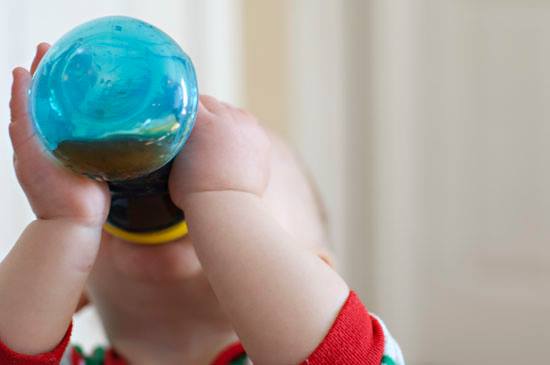
The bottle stays against your body. I don’t know how many times I have bottle-fed a baby while they’ve been looking around the room by moving the bottle around with them, even feeding them with their back against my body so they could see the world. That doesn’t work so well with breastfeeding. I want to create that same experience of being able to block out the rest of the world that breastfeeding naturally engenders by keeping that bottle in one spot and training my baby if they want to drink, they need to snuggle close and keep their eyes on Mama. When it’s time to introduce the sippy cup they can be in charge of holding it, but the bottle belongs to Mom.
Create a quiet atmosphere. Breastfeeding requires a relaxed mom. I want to remember to be relaxed while I’m feeding my baby by whatever means by creating a quiet space that’s free of distractions for either one of us.
Give yourself some privacy. I have often taken advantage of the ease of public bottle-feeding. I’ve given a baby a bottle while in the car, sitting at church, or at the park. While these aren’t bad things to do, I want to consider them less ideal options than if I was in a place where just the two of us were spending time together. I want to minimize those on-the-go feedings and work my schedule around having private times to cuddle and connect. I think it’s the difference between fast food and a lovingly-prepared feast.
Make bellybutton to bellybutton opportunities. One of the most precious things to me about breastfeeding were these moments where my baby and I were literally bellybutton to bellybutton. We all know the value of skin-to-skin, but with my bottle-fed kids I wasn’t sure how best to recreate that for them. Lifting my shirt and my baby’s is an easy way to touch tummies and create that skin contact bonding.
Switch sides. One of my kids was beginning to develop a flat side to his head when his pediatrician asked me if I was switching sides. Switching sides? She said that just like with breastfeeding, it’s best for bottle-feeding moms to stop halfway through a feeding, burp the baby, then move them to the other arm. It keeps their heads more evenly shaped, and helps them develop their neck muscles, eye muscles and apparently has a positive impact on brain development. Who knew?
Pursue breastmilk if you can. I was blessed with one of my adopted kids to have a friend who was pumping because her child couldn’t nurse for medical reasons. She allowed me to have the breast milk she didn’t need and it was HUGELY beneficial for my baby. It helped my baby heal from some digestion issues and helped with much-needed weight gain. I had the blessing of my pediatrician and a lot of personal knowledge about where this breast milk was coming from, which made me feel okay about it. I know that isn’t an option for everybody (and I didn’t do it with subsequent kids), but I want to be open to it if it became available. This may also mean pursuing adoptive breastfeeding if that seems right.
Bottle-feeding can get such a bad reputation as a far inferior experience to breastfeeding. I don’t think that has to be the case. Formula may not be the same perfect food breast milk is, but you can create those positive bonding moments and treasured memories by imitating the style of breastfeeding even when using a bottle.
Anybody else have tips for how to create a positive bottle-feeding experience?
12 Comments
Leave a reply →